

Key Points:
• Starting ABA early helps children build communication, social engagement, and self-help skills during the most formative developmental window.
• Early intervention for autism increases a child’s ability to learn, adapt, and generalize skills across settings.
• Families who begin ABA young often see smoother progress in independence, behavior regulation, and long-term learning outcomes.
Early diagnosis can feel overwhelming. Parents often experience a mix of relief, confusion, and urgency when they hear the words autism spectrum. You may find yourself searching late at night, wondering what to do next, how to help your child communicate, and whether progress is possible. These thoughts are common and natural. The most important thing to know is that support exists, and early ABA intervention can create meaningful growth that lasts into later childhood and adult life.
This article explores why timing matters, how early ABA works, and what real progress can look like when therapy begins during the first years of development. It is written to answer the questions parents typically have and to help you feel informed, capable, and supported as you make decisions for your child.
Why Early ABA Intervention Matters Most
 The early years are a critical learning period for children. This is when the brain forms and strengthens connections related to language, behavior regulation, and social understanding. When a child with autism receives therapeutic support early, skills can be built layer by layer while natural developmental pathways are still flexible.
ABA therapy for kids focuses on teaching foundational abilities like responding to names, using gestures, requesting items, following directions, and interacting with others. These early milestones often pave the way for more complex skills later in life, such as problem-solving, emotional expression, and classroom learning.
Starting young does not guarantee a specific outcome, but it increases opportunities for learning, communication, and independence during the years when growth is most rapid.
The First Signs That Lead Parents Toward ABA
Many parents begin exploring early intervention for autism after noticing differences in communication or behavior. Some signs appear subtle, such as a lack of eye contact or delayed gestures. Others may feel more obvious, like meltdowns when routines shift or difficulty engaging with peers.
Common early signs that lead families to seek support include:
- Limited use of words or gestures
• Repetitive play patterns
• Difficulty following simple instructions
• Lack of response to name
• Sensory seeking or avoidance behaviors
• Challenges with transitions
These signs do not define a child’s future. They simply signal that support may help learning happen more naturally and confidently. Early ABA works with where the child is and builds upward from strengths.
The Foundation Principles That Make ABA So Effective Early On
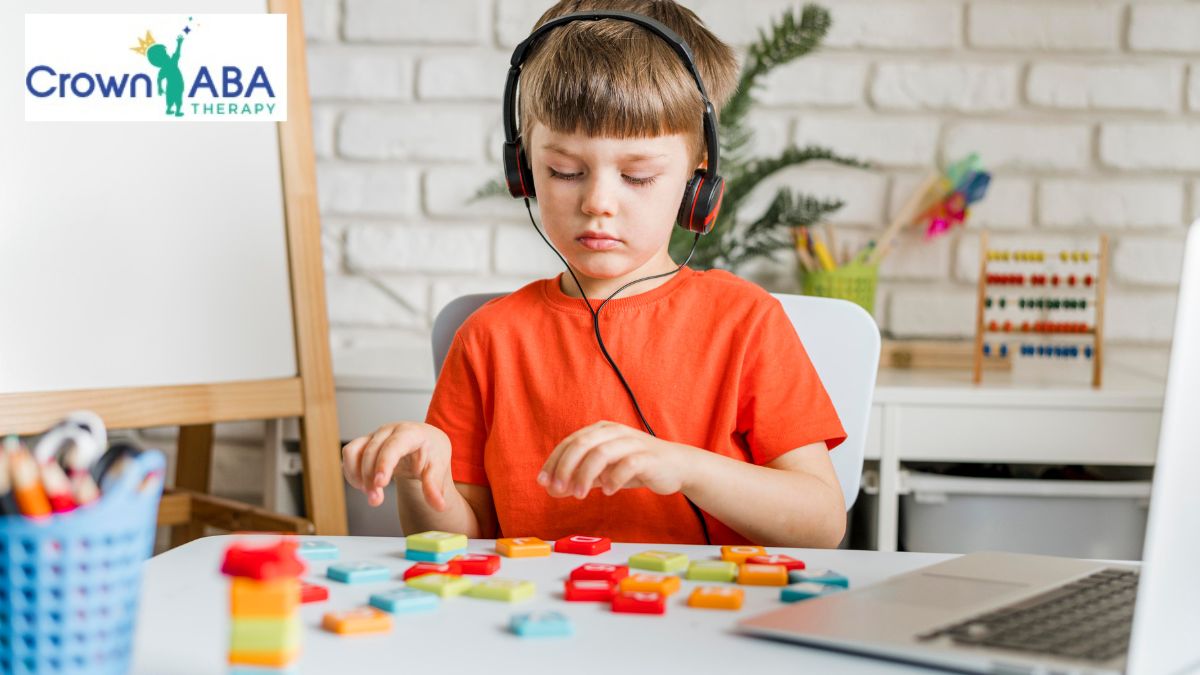 Early ABA intervention works because it breaks learning into small, teachable steps. Children are not taught in large leaps. They are guided gently toward progress through consistent teaching, reinforcement, and repetition across settings.
Three core principles shape the process:
- Skills are taught one step at a time.
• Desired behaviors are strengthened through positive reinforcement.
• Learning is repeated and generalized across environments.
This structure helps children learn in ways that feel clear and manageable. Instead of expecting a child to master a full skill instantly, ABA focuses on components. A child learns to point before they learn to request. They learn to imitate before they learn conversational back and forth. Each gain supports the next.
How Early ABA Builds Communication Skills
Communication is often one of the greatest sources of frustration for families. Without words or gestures, children may struggle to express needs, leading to meltdowns or withdrawal. Early ABA can introduce communication through multiple methods, supporting each child based on their learning profile.
Some children begin with verbal requests. Others use picture cards, signs, or assistive communication devices. ABA therapy for kids meets them where they are without pressure or comparison. Communication becomes successful when the child feels understood and confident.
A child who learns to request juice or ask for help takes a step toward independence. Over time, communication grows from simple requests to labeling, commenting, and social interaction.
Behavior Regulation Becomes More Manageable Over Time
Challenging behaviors are often communication in disguise. Early intervention helps children learn appropriate ways to express needs, redirect frustration, and manage sensory input. When support begins young, children can form coping strategies before habits solidify.
ABA therapists teach calming strategies, functional communication, and routine tolerance skills. Repetition helps the child build confidence in themselves and trust in their environment. Parents often see fewer meltdowns and more purposeful interactions as communication increases.
Behavior improvement is not overnight. It is gradual and meaningful. Each win, even a small one, reinforces growth.
Early Social Learning Shapes Future Relationships
Social development grows in layers. Some children start with parallel play. Others begin with imitation or turn-taking. ABA supports early social engagement gradually, so children feel successful rather than overwhelmed.
Social goals may include:
- Responding to another child’s name
• Playing alongside peers with shared materials
• Taking turns in simple games
• Practicing joint attention
• Greeting familiar people
As children develop these skills, they experience more access to friendships, group learning, and emotional connection. This growth becomes especially valuable when entering classroom environments.
A Look Inside the First Year of Early ABA
The first months of therapy often focus on rapport building and initial skill targets. Children build trust with their therapist and gradually participate in structured teaching sessions. A typical first year may include:
- Skill assessments and goal planning
• Communication development
• Early play and imitation
• Reinforcement learning
• Routine and transition practice
• Parent education and involvement
Parents play a key role throughout this process. ABA therapy providers usually include parent training sessions to help families learn strategies used in therapy so that skills generalize at home. The more consistency a child experiences across environments, the stronger the growth tends to be.
The Role of Parents in Early ABA Intervention
Therapy does not end when the session closes. Children learn best when skills are practiced naturally in daily life. Parents often become the bridge that connects structured therapy with everyday routines.
Caregivers may work with the therapist to:
- Practice communication during mealtimes
• Model play skills at home
• Encourage appropriate behavior with positive reinforcement
• Use simple teaching steps during dressing or hygiene routines
When families understand ABA principles, children experience learning in more places, and progress feels integrated into real life, not limited to therapy walls.
What Happens When Intervention Is Delayed
While progress is possible at any age, waiting can widen skill gaps. Behaviors may become ingrained, communication delays may deepen, and learning new routines can take longer as habits form.
No parent chooses to delay out of a lack of care. Often, there is uncertainty, overwhelm or limited access to services. However, knowing how powerful early intervention can be may help families act sooner and increase opportunity for growth.
The goal is never urgency or fear. The goal is understanding. Early ABA provides a strong foundation that children can build on over the years ahead.
Long-Term Benefits of Beginning ABA Early
Families often ask what long-term results may look like. Progress varies for each child but early ABA can lead to:
- Stronger communication skills
• Improved academic readiness
• More independent daily functioning
• Greater success in social settings
• Reduced challenging behavior
• Increased self-confidence
These outcomes matter because they expand opportunity. A child who communicates effectively can learn, socialize, and express themselves. A child who understands routines and expectations can participate more freely. Early skills create later freedom.
A Heart-Led Look at Early Progress
Progress does not always look dramatic. Sometimes it is a child making eye contact for the first time. Sometimes it is a moment of calm that once ended in tears. Sometimes it is a word spoken softly, then louder the next day.
Early ABA creates room for small wins that grow into life-changing abilities. When support begins early, parents often witness breakthroughs that felt distant months before.
Moving Forward With Confidence
 Early ABA intervention changes everything because it builds the future in the present. It teaches communication when the brain is most ready to learn. It lays social foundations while curiosity is still forming. It supports families when support is needed most.
Starting early is not about rushing. It is about building skills with time on your side.
Families looking for ABA therapy in Maryland deserve a provider that supports children with warmth, structure, and progress-focused care. If you are searching for an ABA therapist near me or exploring ABA therapy near me for the first time, you are not alone. Early support can help your child learn, connect, and grow with confidence.
Crown ABA offers ABA therapy in Maryland with programs designed for early learners. If your family is ready to begin or is still gathering information, the first step is simple. Reach out, ask questions, and explore whether early intervention is right for your child. ABA therapy from Crown ABA can help your child build communication, social engagement, and independence skills that follow them for years.