
Key Points:
- Everyday routines become skill-building moments through mindful ABA intervention and functional skills practice.
- Integrating ABA into daily life builds independence, supports generalization, and reduces behavior challenges.
- Parents and caregivers can use simple ABA strategies at home, like visual supports, task analysis, and reinforcement, to complement ABA therapy in Maryland or nearby.
Do you ever feel like daily life with your child is a constant cycle of prompting and reminders? Getting dressed, brushing teeth, cleaning up toys – these seem like never-ending chores for you and overwhelming sequences for your child. For many families, these routines trigger frustration, resistance, or shutdowns. That is a common struggle for caregivers of children with autism. But what if these everyday tasks could become powerful opportunities for learning, independence, and self-confidence?
This article shows how you can turn mundane daily tasks into meaningful teaching moments using applied behavior analysis. Whether you receive support from an ABA therapist or are learning strategies on your own, using life skills ABA approaches can help transform routines from battles into stepping stones.
Why Daily Tasks Are Key Opportunities for Learning
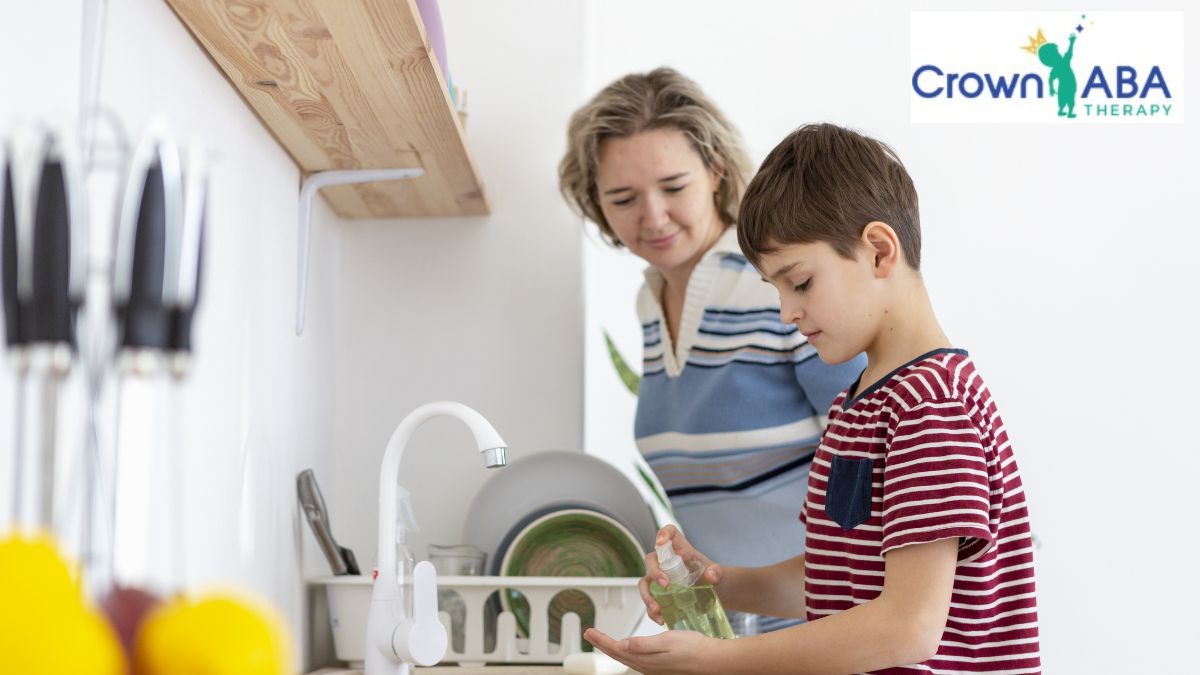 Daily routines, like getting dressed, feeding, tidying up, or bedtime, happen naturally and often multiple times a day. For a child with autism, routines may feel unpredictable, sensory-heavy, or confusing. That inconsistency can fuel resistance, meltdowns, or avoidance.
ABA therapy for kids recognizes that life does not happen only during therapy sessions. Skills practiced in structured contexts need to be carried into the home and community. Using functional skills in ABA means teaching what is real and relevant: how to wash hands, put on clothes, pack a bag, or sit through mealtime.
When daily tasks are broken down into manageable steps and reinforced consistently, children learn not just to complete tasks but to anticipate, plan, and follow through with increasing independence. Routine becomes predictable, which reduces anxiety and resistance.
How ABA Therapy in Maryland or Elsewhere Applies to Daily Life
An important aspect of ABA therapy in Maryland, and in other areas, is building adaptive, functional daily living skills. Research has shown that ABA interventions often lead to improvements in self-care, communication, and independence when programs target real-world tasks.
ABA therapy for kids often uses task analysis, chaining, prompting, and reinforcement to teach life skills. These are core components of functional skills ABA. Breaking actions into small teachable steps helps children build capacity without overwhelm.
For families seeking an ABA therapist near me or ABA therapy near me, the goal often extends beyond managing behaviors. Learning daily living routines, emotional regulation, and independence are key priorities. Functional skills taught in therapy translate to real benefits at home and in the community, provided caregivers collaborate with therapists to generalize learning.
Breaking Down a Task: How to Use Task Analysis at Home
One of the most effective ABA tools for turning daily tasks into teachable skills is task analysis. This involves deconstructing a complex routine into simple, sequential steps. For example, take “making a sandwich”:
- Go to the kitchen counter
- Get bread from the shelf
- Lay out bread on a plate
- Get the spread, such as butter or peanut butter
- Spread evenly on the bread
- Close the lid of the spread and put it back
- Assemble the sandwich
- Take the sandwich to the table
- Clean up the tools used
Teaching each step separately makes learning manageable. First sessions may focus on locating the bread shelf. Next, handling the spread. Then assembling. Each successful step is reinforced. Over time, the child links actions into a full sequence.
You can apply this method to hygiene, dressing, packing backpacks, bedtime routines, laundry, or almost any recurring activity.
Using Visual Supports and Schedules to Aid Understanding
 Many children with autism respond well to visual cues. When daily tasks come with clear visuals, routines become more predictable and less stressful.
Visual supports might include:
• Step-by-step picture charts for morning, bedtime, or chores
• Color-coded bins or labels for toys and belongings
• A checklist with stickers or marks for each completed task
• A timer or hourglass to signal transitions between activities
Visual schedules help children anticipate upcoming steps and reduce anxiety related to uncertainty. Over time, the visual prompt may fade as the child internalizes the routine.
Incorporating Reinforcement to Motivate Participation
Behavior management for autism often struggles when tasks feel meaningless or too hard. ABA uses reinforcement to make daily living tasks rewarding.
For example, after a child puts away their toys or completes a hygiene routine, you might offer:
• A preferred activity or game
• A small reward, such as a sticker or extra tablet time
• Verbal praise and recognition, such as “You did it, you put your shoes away by yourself.”
• A token system leading to a larger reward
Reinforcement should match the child’s interest. The more meaningful it is, the stronger the motivation to cooperate and repeat the behavior. Over time, some tasks may become more routine as reinforcement shifts to intrinsic reward, such as a sense of order, ease, or personal satisfaction.
Merging Daily Tasks With Functional Skills ABA Goals
Daily living tasks align naturally with functional skills ABA goals. Focusing therapy on everyday needs, such as grooming, mealtime, cleaning, and community skills, increases relevancy and motivation. Skills learned in therapy can flow seamlessly into home life. This increases generalization and the likelihood of long-term success.
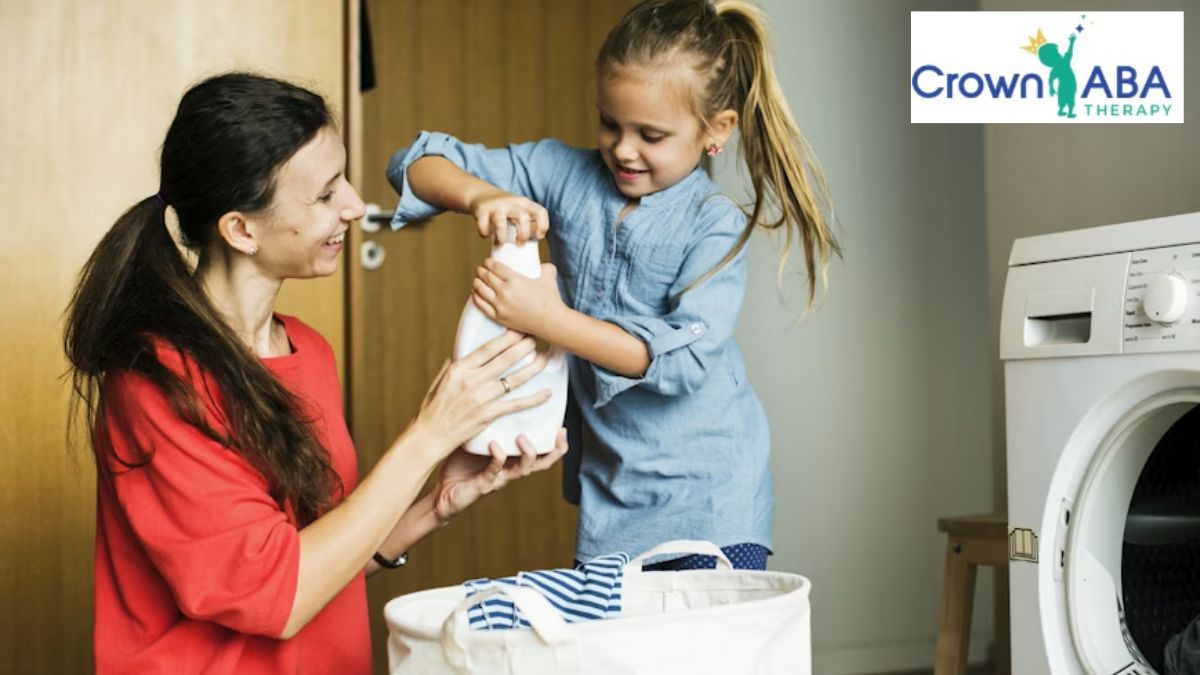
For example, a child learning to sort laundry in ABA sessions can practice the same steps at home when clothes come out of the washer. Grocery shopping exercises practiced with the therapist can translate into real supermarket trips.
The more varied the settings, such as home, school, or store, the more robust the learning becomes. That is why many therapists encourage parents to continue practicing beyond therapy hours, reinforcing success and promoting independence.
Turning Daily Chores Into Life Skills: Ideas for Families
Here are concrete examples of how to embed learning into regular routines:
- Morning routine: use a checklist for teeth brushing, dressing, making the bed, or feeding pets. Over time fade prompts and encourage independent execution.
• Meal preparation: let the child help wash vegetables, stir, set the table, or clean up. Each step becomes a teaching moment for sequencing, motor skills, and responsibility.
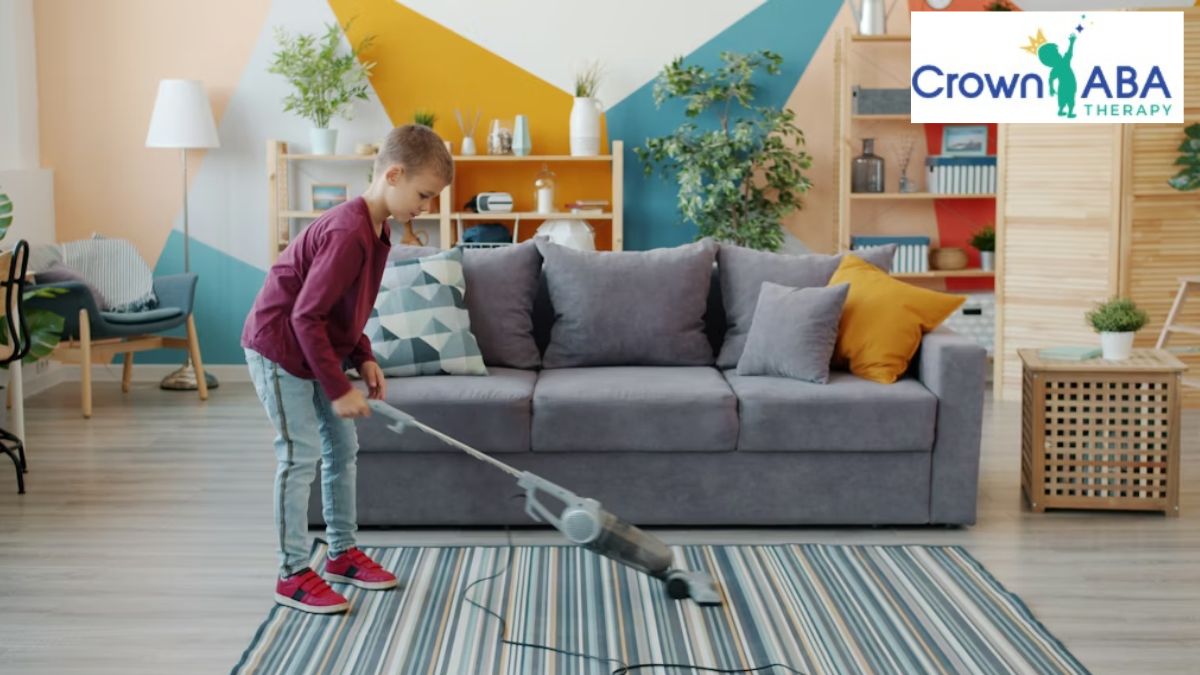
• Cleaning and organization: sorting toys, placing books on shelves, and matching socks. Sorting helps with categorization, visual discrimination, and responsibility skills.
• Grocery shopping: give a visual shopping list, offer choices, and allow counting or selecting items. This teaches planning, money concepts, waiting, and social skills.
• Community tasks: practice waiting in line, carrying a shopping bag, following social expectations, or greeting people. These generalize behavioral skills beyond the home.
These small moments may seem trivial, but repeated consistently, they become opportunities to build independence, confidence, and practical skills.
Overcoming Common Challenges During Daily Skill Training
Sometimes children resist chores or tasks that feel overwhelming. ABA acknowledges these challenges and provides ways to adjust.
If a child becomes frustrated, break the task into even smaller, simpler steps. Provide more frequent breaks. Use reinforcement that truly motivates. If sensory issues arise, such as noise, textures, or crowded environments, modify the environment by softening lighting, reducing distractions, or increasing predictability.
Another barrier is inconsistency. Skills taught in therapy may fail to generalize if home routines differ. Collaborate with therapists, use the same visual prompts or reinforcement systems, and practice across different settings.
Patience is key. Skill acquisition may be gradual. Celebrate small steps. Many children who consistently practice functional skills ABA routines show improved daily living abilities over months of effort.
Why Family Involvement Matters for Generalization
ABA therapy near me often emphasizes that parent and caregiver involvement is essential. When families participate, the skills learned in structured sessions extend into real life. This bridges the gap between therapy and home and ensures that progress does not remain isolated.
At home, caregivers become co-teachers. By using the same prompts, reinforcements, and visual aids, routines become predictable and supportive. Consistent practice increases the likelihood that skills become stable, usable habits.
Measuring Progress: Why Data Collection Is Useful
One of ABA’s strengths is data-driven decision-making. You do not have to track every chore, but documenting attempts, success rates, and any resistance can help you adjust strategies effectively.
For instance, if dressing takes 20 minutes one day but 10 the next, that shows progress. If the child skips a step reliably, you might fade prompts. If a certain task always triggers resistance, you might reevaluate the steps or reinforcement.
Collecting data helps reduce emotional decision-making and supports objective trial and error until routines click.
What Research Says About ABA and Daily Living Skill Development
Several studies and reviews report that ABA, when applied to functional life skills, leads to positive gains in self-care, household tasks, and adaptive behavior.
Although not all tasks generalize equally quickly, structured teaching, chaining, visual supports, and reinforcement consistently show benefit over time. Families who invest time and consistency often see measurable improvement in independence and quality of life.
These findings support using ABA therapy in Maryland or any location as more than behavior management. ABA is also effective for life skills training.
Handling Setbacks and Maintaining Consistency
Even with structure, progress may stall. A vacation, illness, schedule change, or new stressor can disrupt routines. That does not mean failure. It means flexibility and re-teaching may be needed.
When challenges arise, return to the basic steps. Reintroduce prompts, visual aids, and reinforcement. Take a break from expecting perfection. Small successes count. Consistency and repetition rebuild momentum.
Cultivating Independence Through Daily Practice
Over time, consistent daily practice builds competence. Children begin to anticipate steps, move without prompting, and even initiate tasks. Confidence grows. Parents find mornings smoother, chores less confrontational, and independence more visible.
Daily tasks become less about compliance and more about skill building. The child practices life skills that matter now and in the future. The home becomes a school of real life learning.
Conclusion: A Life Where Tasks Build Skills and Confidence
 Turning daily tasks into learning moments with ABA transforms routine into opportunity. Through functional skills ABA, behavior management autism is replaced with skill development. Visual supports, task analysis, reinforcement, and consistent practice bring everyday tasks within reach.
Families who embrace ABA beyond therapy sessions often witness steady improvements in independence, self-care, organization, and comfort. Daily life becomes easier for children and parents alike.
If you are seeking structure, guidance, and personalized support in transforming daily routines into life skills, consider reaching out for ABA therapy in Maryland. Crown ABA can help you analyze routines, create visual supports, set up reinforcement systems, and guide family involvement so learning extends beyond sessions into real life.
Crown ABA offers ABA therapy in Maryland aimed at life skills ABA, functional skills ABA, and real-world independence. With professional support, daily tasks become opportunities for meaningful growth for your child. Contact us for more information!