Key Points:
- Starting ABA therapy begins with understanding your child’s unique needs through an initial assessment.
- Choosing the right ABA therapist and creating a personalized treatment plan are essential to success.
- Parental involvement and consistency at home are key to maximizing progress in ABA therapy for kids.
When your child is diagnosed with autism, finding the right support can feel overwhelming. One of the most evidence-based and effective approaches for helping children develop communication, social, and behavioral skills is Applied Behavior Analysis (ABA) therapy. But how exactly do you begin? What steps do you need to take to start ABA therapy for your child?
This guide breaks down every stage of the process, from evaluation to ongoing support, so you can move forward confidently and make informed decisions for your child’s development.
Step 1: Understand What ABA Therapy Is
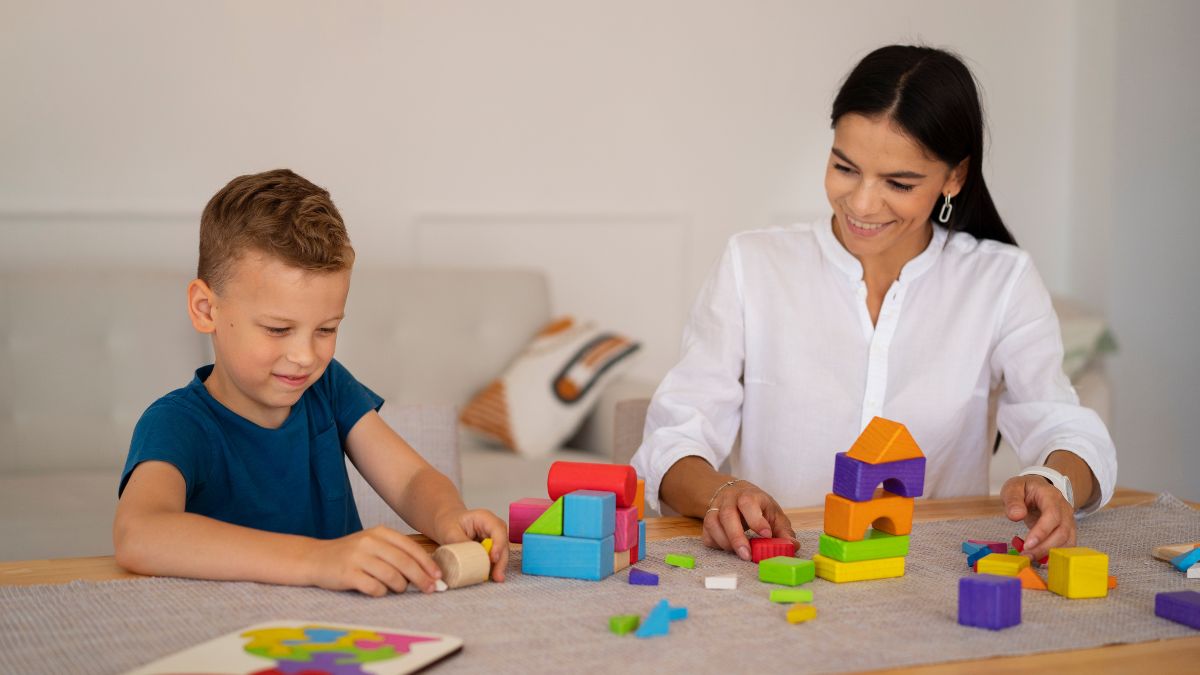
ABA therapy is a structured, evidence-based approach designed to improve specific behaviors and skills by using positive reinforcement. It helps children with autism build communication, self-help, academic, and social abilities through personalized teaching methods.
Before starting, take time to learn what ABA therapy involves. You’ll encounter terms like “reinforcers,” “behavior plans,” and “data tracking.” These are tools ABA therapists use to identify patterns and help children replace challenging behaviors with positive ones.
Understanding how ABA works will make it easier to collaborate with your child’s therapist and track their progress over time.
Step 2: Schedule an Initial Consultation
Once you’ve decided ABA therapy in Maryland might be right for your child, the next step is to find an ABA therapist near you and schedule a consultation. This first conversation helps you determine whether a provider is the right fit for your family.
During this stage, you can ask:
- What is your experience working with children with autism?
- How do you develop individualized ABA programs?
- What are your session formats: home-based, center-based, or hybrid?
Many parents begin their search online using terms like “ABA therapy near me” or “ABA therapist near me.” Look for licensed providers who use board-certified behavior analysts (BCBAs) and registered behavior technicians (RBTs) trained to deliver one-on-one therapy.
Step 3: Complete the Initial Assessment
The initial assessment in ABA therapy is a detailed process that forms the foundation of your child’s treatment plan. A BCBA conducts this evaluation through direct observation, interviews, and standardized tools.
The goal is to understand your child’s strengths, challenges, communication abilities, and learning style. Assessments often include:
- Behavior observation in natural settings
- Parent interviews about routines and behaviors
- Skill assessments for language, social interaction, and play
From this information, the BCBA develops a customized ABA program with measurable goals. This step is critical because every child’s needs are different.
Early and individualized intervention significantly improves learning, communication, and social skills in children with autism.
Step 4: Develop a Personalized ABA Treatment Plan
After the assessment, your child’s BCBA will create a treatment plan tailored to their developmental level and behavior goals. This plan outlines the skills to be taught, behavior strategies to use, and the reinforcement methods that best motivate your child.
ABA programs typically target areas such as:
- Communication and language development
- Daily living and self-care skills
- Social and play skills
- Reduction of challenging behaviors
Each goal is broken down into small, teachable steps. The therapist collects data in every session to measure progress and adjust strategies as needed.
Step 5: Begin Consistent Therapy Sessions
Once the plan is ready, therapy sessions begin. The frequency depends on your child’s needs—some may benefit from 10 hours a week, while others may need 30 or more. Sessions can take place at home, in school, or in a therapy center.
Consistency is vital. ABA therapy works best when it’s part of your child’s daily routine. The therapist uses positive reinforcement to encourage desired behaviors and helps your child generalize skills across different settings.
Parents often notice small but meaningful changes first, such as better eye contact or improved ability to follow directions. Over time, these build into larger developmental milestones.
Step 6: Participate in Parent Training
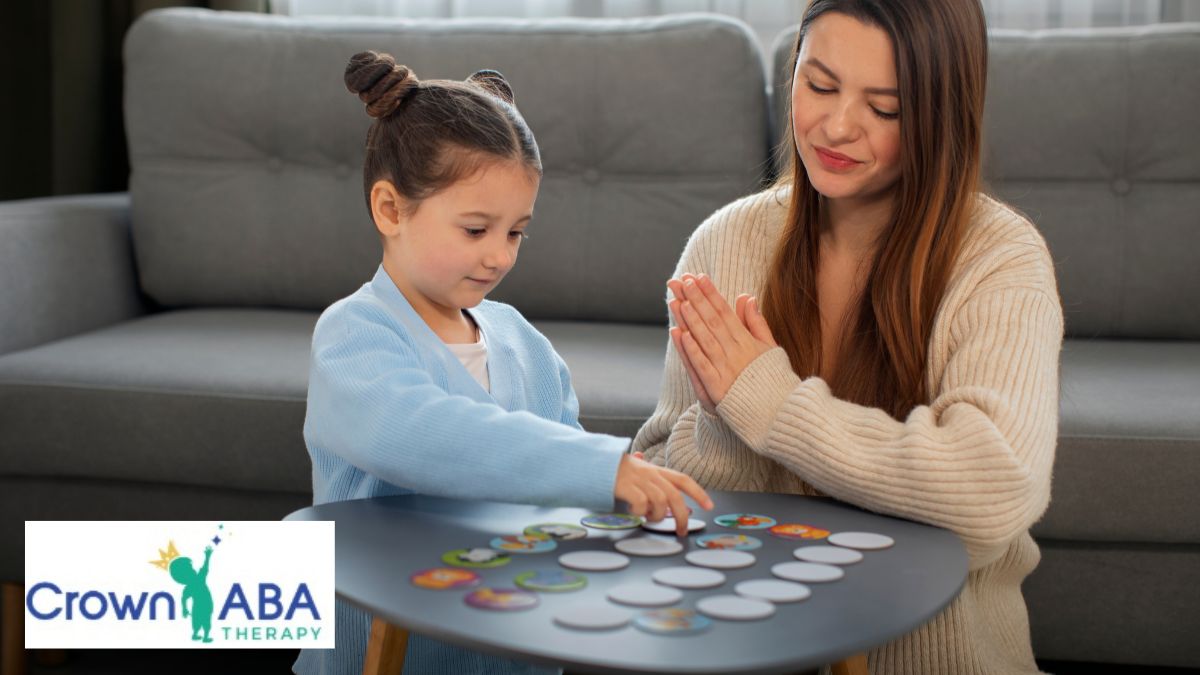
Parent involvement is one of the strongest predictors of success in ABA therapy for kids. Most ABA programs include parent training sessions to help you understand the strategies used in therapy and apply them at home.
You’ll learn how to:
- Reinforce positive behaviors consistently
- Respond effectively to challenging behaviors
- Create structured routines that support learning
When parents use the same techniques as therapists, progress becomes faster and more consistent. It also helps children feel supported across all environments.
Step 7: Monitor Progress and Adjust the Plan
ABA therapy is data-driven. That means progress is measured objectively through data collected during sessions. Your child’s BCBA will review this data regularly to see what’s working and what needs to change.
You’ll likely have progress meetings every few months. These meetings give you a chance to discuss updates, celebrate achievements, and adjust goals. The BCBA may add new skill targets or modify interventions as your child develops.
This flexibility ensures that therapy always aligns with your child’s evolving needs.
Step 8: Foster Consistency Across Environments
To make ABA therapy truly effective, the skills your child learns should extend beyond the therapy room. Generalization, using learned behaviors in different settings, is a key goal in ABA.
Encourage teachers, caregivers, and family members to use consistent approaches. For example, if your child is learning to request help with words, everyone involved should reinforce this skill in daily routines.
Communication among all caregivers ensures your child receives unified support at school, home, and in the community.
Step 9: Review Long-Term Goals and Transitions
As your child progresses, their needs and priorities may change. Over time, the focus might shift from basic skills to more advanced goals like social communication, independence, or academic readiness.
The BCBA will continue to evaluate and refine goals. Some children may transition from intensive therapy to maintenance sessions or social skills groups.
Ongoing collaboration helps ensure that each step supports your child’s long-term success and independence.
Step 10: Continue Learning and Advocating
ABA therapy is most effective when parents remain informed and proactive. Stay connected with your therapy team, attend training sessions, and ask questions about new techniques.
You can also connect with local autism support networks and parent communities to share experiences and find additional resources. Understanding how ABA principles apply to everyday life helps you create a positive, consistent environment where your child can thrive.
Why ABA Therapy Offers Strong Local Support
Families looking for ABA therapy benefit from a growing network of providers, trained therapists, and autism-friendly community resources. Many Maryland-based ABA centers offer home-based and center-based services, making it easier to find a program that fits your schedule and goals.
When searching for “ABA therapy near me,” consider local providers that prioritize individualized plans, parent involvement, and measurable progress tracking.
Finding Hope and Progress Through ABA
Starting ABA therapy for your child can feel like a major step—but it’s one that opens the door to learning, growth, and meaningful progress. From the initial assessment to ongoing collaboration, every stage is designed to help your child build essential life skills in a structured and supportive environment.
Remember that progress takes time and consistency, but every skill learned is a step toward greater independence and confidence.
At Crown ABA, we provide comprehensive, evidence-based ABA therapy for kids designed to help each child reach their full potential. Our team of certified therapists offers individualized programs tailored to your child’s unique needs, with services available in both home and center settings across Maryland.
If you’re searching for compassionate and effective ABA therapy near you, Crown ABA is here to guide you from the first assessment to lasting results. Take the first step today toward meaningful progress and a brighter future for your child. Get in touch with us today!